How Shadow DOM Affects SEO
Shadow DOM is a web standard for creating a hidden, encapsulated version of the DOM, which is attached to a normal DOM (“light” DOM) element but kept separate from the rest of the page. Since the “shadow" part of the DOM is separate from the main page content, its style and markup won’t interfere with the rest of the page.
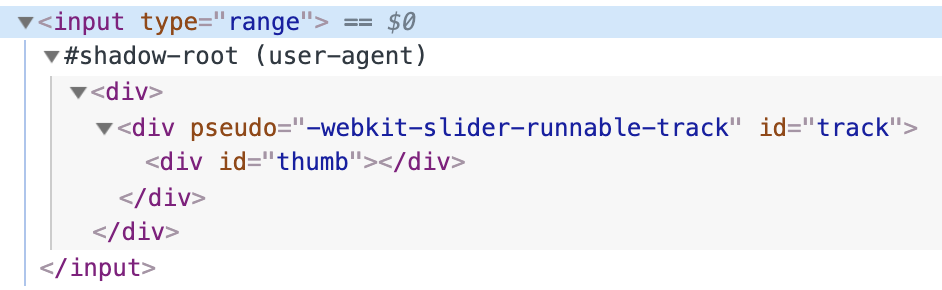
The shadow DOM is under #shadow-root. It is primarily used in web components such as custom form elements, interactive buttons, or complex widgets.
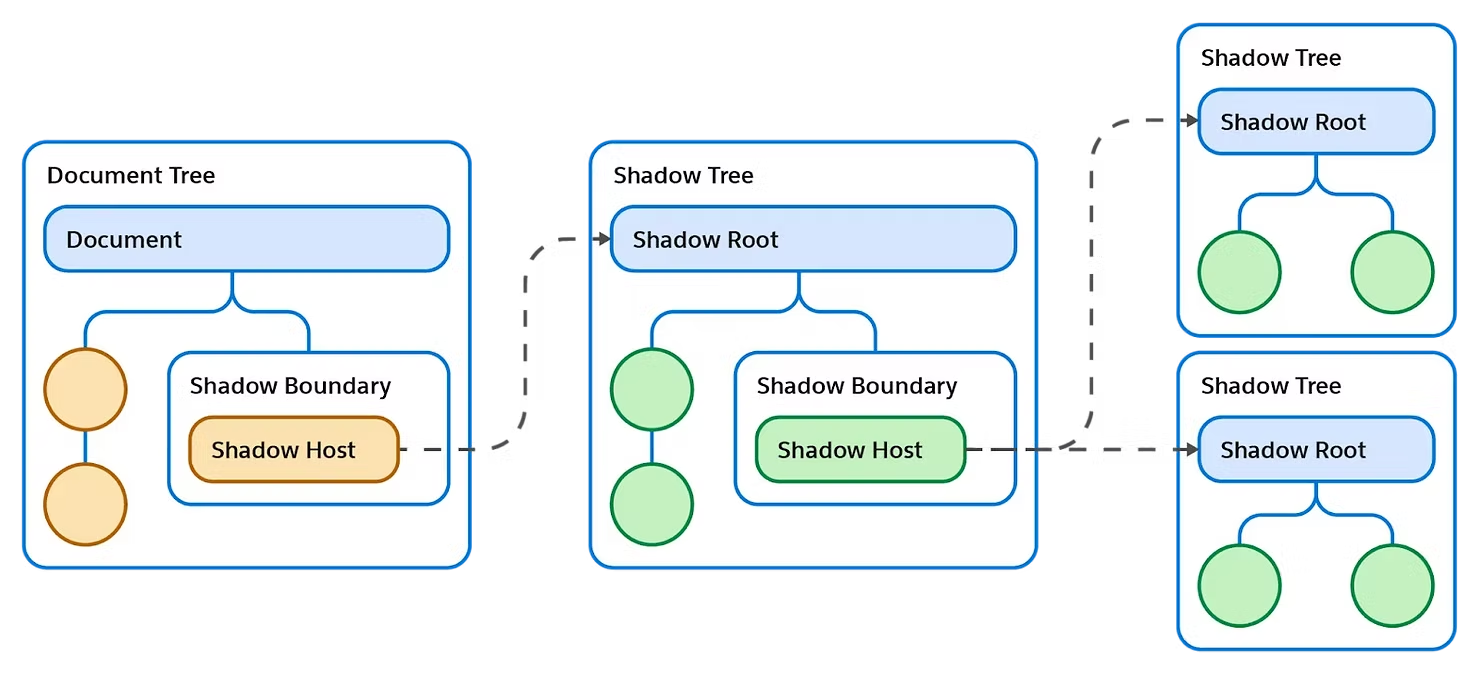
Shadow DOM and SEO
Dynamic, JavaScript-heavy pages might have trouble getting properly indexed if they rely too heavily on web components and shadow DOM. When it comes to SEO, take caution about what content goes inside a Shadow DOM, because search engines may not index or crawl content inside the shadow DOM. Google can render and process many shadow DOM implementations, but SEO issues can arise when content depends on JavaScript execution, delayed rendering, hydration failures, or inaccessible component structures. This can be problematic if you’re using shadow DOM for critical content like text, images, or links, because it could prevent these elements from being visible to search engines.
Google supports web components. When Google renders a page, it flattens the shadow DOM and light DOM content. This means Google can only see content that’s visible in the rendered HTML. To make sure that Google can still see your content after it’s rendered, use the Rich Results Test or the URL Inspection Tool and look at the rendered HTML. If the content isn’t visible in the rendered HTML, Google won’t be able to index it.
If you place important internal (or external) links inside the shadow DOM, those may not fully pass on link equity, harming your website’s internal linking structure and overall SEO. Test important navigation and internal linking structures carefully when using web components, since search engine handling can vary.
Another example is if you have a blog post embedded in a custom component with a Shadow DOM, search engines might not be able to read that post and therefore won’t index it. Similarly, if you use a custom form with fields in the shadow DOM, it might not be crawlable.
From an SEO perspective, it’s important that all key content such as titles, headings, text, and links, are visible in the main DOM to ensure that it’s crawled and indexed. While Google and other search engines have improved at handling Shadow DOM over time, there’s still a risk that important content could be overlooked, especially if it’s hidden deep within components that aren’t rendered properly.
Shadow DOM Can Be SEO-Friendly
Here are some tips to ensure that shadow DOM doesn’t hurt your SEO.
- Critical content can exist in shadow DOM if it renders reliably and is visible in Google’s rendered HTML, but SEOs should verify this through testing.
- Use the
element to make sure that both light and shadow DOM content are displayed in the rendered HTML. - Use progressive enhancement and ensure that critical content remains accessible without relying on JavaScript, by making sure that critical content is still available in the light DOM. That way, even if Googlebot has trouble with the Shadow DOM, it can still access your essential information.
- Finally, before launching, use Google Search Console to see how Googlebot views your page. This will give you insight into whether your Shadow DOM elements are being crawled properly.
Open vs. Closed Shadow DOM
Not all Shadow DOM implementations work the same way. When creating a shadow root, developers can choose between open and closed modes.
An open shadow root allows JavaScript access to the shadow tree through the element’s shadowRoot property, making it easier to inspect, debug, and test. Most SEO discussions and experiments involving Shadow DOM focus on open shadow roots because their content is more accessible to developers and testing tools.
A closed shadow root hides the shadow tree from external JavaScript and developer tools. While this provides stronger encapsulation, it can make debugging indexing or rendering issues more difficult. Search engines do not rely on the browser’s developer APIs to crawl content, but closed shadow roots can make it harder for developers to verify exactly what content is available after rendering.
For SEO purposes, the key concern is not whether a shadow root is open or closed, but whether the content is successfully rendered and accessible when search engines process the page.
Server-Side Rendering (SSR) and Shadow DOM
Many SEO issues attributed to shadow DOM are actually caused by client-side rendering rather than the Shadow DOM itself.
With traditional client-side rendering, the browser must download JavaScript, execute it, and build the page before content becomes visible. If rendering is delayed or fails, search engines may have difficulty accessing important content.
Server-side rendering (SSR) can help reduce these risks by generating HTML on the server before the page reaches the browser. This allows critical content such as headings, text, navigation, and links to be present immediately, improving both crawlability and page performance.
When using web components, combining SSR with shadow DOM can provide the benefits of component encapsulation while ensuring that important content is available as early as possible.
Declarative Shadow DOM
A newer web standard called declarative shadow DOM allows shadow roots to be defined directly in HTML instead of being created entirely through JavaScript.
This approach enables servers to send fully rendered shadow DOM content as part of the initial HTML response. Because the content exists in the HTML before JavaScript runs, search engines and browsers can access it more quickly and reliably.
Declarative shadow DOM is particularly useful for SEO-focused applications because it reduces reliance on client-side rendering and can improve the visibility of content during the initial page load.
While browser support and framework adoption continue to evolve, declarative shadow DOM is becoming an increasingly important tool for developers who want to combine web components with strong search engine visibility.
Hydration Failures and SEO Risks
One of the biggest SEO risks in modern JavaScript applications is not shadow DOM itself but hydration failures. Hydration occurs when JavaScript attaches interactivity to HTML that has already been rendered by the server. If hydration fails because of JavaScript errors, framework mismatches, network issues, or browser compatibility problems, parts of the page may become broken or incomplete.
For web components, hydration failures can prevent important content, navigation elements, or interactive features from rendering correctly. In severe cases, search engines may encounter incomplete page content or miss links that would otherwise be available.
To reduce these risks:
- Monitor JavaScript errors in production.
- Test pages with JavaScript disabled when possible.
- Verify rendered output using Google Search Console.
- Use server-side rendering or declarative shadow DOM for critical content.
- Ensure important links and content are available even if client-side JavaScript encounters problems.
Shadow DOM itself is not inherently bad for SEO. Modern search engines can render and process many shadow DOM implementations. The larger SEO considerations are reliable rendering, server-side rendering strategies, hydration stability, and ensuring that important content remains accessible in the final rendered page. By testing rendered output and following modern web component best practices, developers can use shadow DOM without sacrificing search visibility.