Reflections on the 100 Days of Code Challenge
Earlier this year, I completed the 100 days of code challenge, where I coded for (almost) 100 consecutive days.
What is 100 days of code?
I’m sure that most people in the tech space are already familiar with the 100 days of code challenge. In short, it’s a challenge created by Alexander Kallaway to spend at least an hour coding for 100 days in a row, and to post about your progress on platforms like Twitter and GitHub. More details can be found at 100daysofcode.com or the official repo.
The 100 days of code challenge has garnered a lot of attention in the tech community, and different variations such as Angela Yu’s 100 days of python course have emerged.
My Approach to 100 Days of Code
For my 100 days of code, I didn’t specialize in a specific language or topic. I did a mix of theory (tutorial videos, podcasts, etc.) and hands-on practice, on a wide range of topics.
I work full-time, have a decent social life, and recently got married. Besides normal things like being in a bad mood, there were circumstances like slow wi-fi on the plane while traveling and preparing for my wedding. So I skipped a few days here and there when I needed to, but I made sure never to skip simply because I wasn’t motivated.
Intention
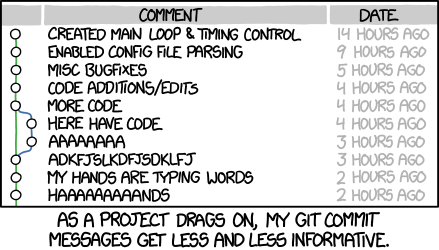
One of my intentions for this challenge was to write cleaner code and be better at documenting my work. I wanted to get in the habit of gracefully using loops, dictionaries, and dynamic variable names. When I published my coding projects on GitHub, I made sure to include a readme file including use cases, debugging scenarios, and acknowledgements for any resources that I found helpful. Even though I mostly just worked alone on hobby projects, I used Git and did atomic commits, following best practice.
Motivation
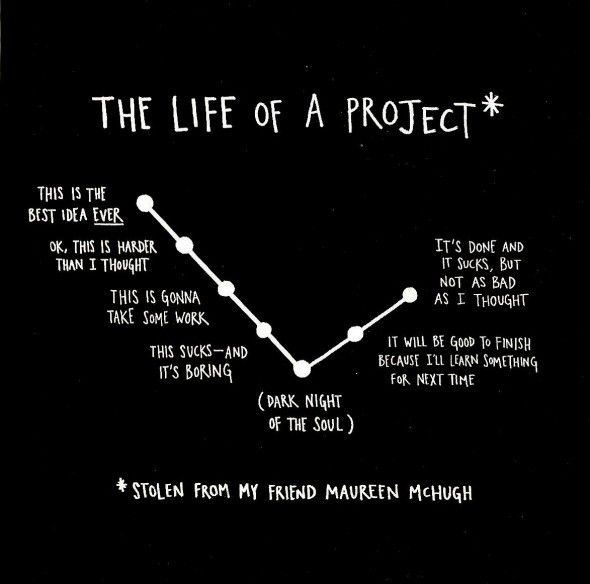
I struggled with a lack of motivation, especially around the 40-60 days mark. For me, coding is a fun hobby and also useful for my job, where I’m responsible for developing automation solutions and analyzing large datasets. But it’s not like I’m a software engineer or game developer, so coding isn’t the most essential skill that I need to use. I probably would‘ve been more motivated if I actually wrote code for a living, but since I don’t, there were definitely days where I felt unmotivated.
On day 47, I attended Pycon HK 2024, and that really helped with motivation. A former colleague of mine was presenting a lightning talk, so I decided to go and check it out for a few hours. Although I could have just watched some talks online, physically going to the venue was a nice change of pace, and being in the same environment as other developers with similar interests inspired me.
After attending Pycon and regaining my motivation, I started watch more python videos online and listening to data science podcasts like Learning Bayesian Statistics and Not So Standard Deviations. At the same time, I didn’t want to get stuck in “tutorial hell," so I made sure to do small daily chunks of personal projects.
What I Learned from 100 Days of Code
Here are some things that I achieved during my 100 Days of Code.
- gohan_dousuru: an automation project using html/css, JavaScript, python, and R to generate meal plans and grocery lists for daily cooking.
- Improved my web development skills (tailwind css, WordPress theme customizations, cross-browser compatibility)
- Improved my technical skills on Salesforce Marketing Cloud (CloudPages, SSJS, API requests in Postman, pixel tracking)
For my next project, I’m hoping to do a computer adaptation of a card or board game like Quarto, Battle Line, or poker. ※ I am not an expert on copyright law, but be careful with fan games because they could cause legal trouble. Do not make them distributable such as by putting it on a public Github repo and creating a link.
Will I do the challenge again? Probably not soon, because I’m working on some other things these days. Will I continue coding? Hell yeah!
“Don’t wait until everything is just right. It will never be perfect. There will always be challenges, obstacles and less than perfect conditions. So what. Get started now. With each step you take, you will grow stronger and stronger, more and more skilled, more and more self-confident and more and more successful.”
— Mark Victor Hansen